

Autumn beer - a British ale tradition
(Part One)
Many people associate beer only with summer or hockey, but the vastness of the beer world means you can enjoy it all year round – you just need to know what to order. As the trees shed their leaves and the air becomes cooler and more humid, light and sparkling styles lose their charm and it’s worth turning to maltier beers.
Although there are no strict rules on beer consumption, no one is prevented from sharing recommendations. And in autumn, we recommend exploring some British beer styles. People living on the misty banks of the River Thames didn’t drink beer to cool off on a hot, sunny day. They drank to understand why they were staying in a place where the rain falls horizontally and their clothes get damp from the air alone. When the wind blows and the chill takes over, beer no longer needs to be refreshing – something invigorating and invigorating is sought in the ‘liquid bread’. But how to find it? Here are the key words to use at the counter or in the shop to enjoy an autumnal beer.
Biters.
The most gentle introduction to autumn beers would be an English-style pale ale or bitter. Bitters are the British “everyday ale” – a light, gently roasted body with a balance of hops and roasted malts. Even the most conservative ‘casual lager’ drinkers will enjoy this beer (unless you mention the style name or the word ‘ale’). The charm of this style lies in its easy drinkability and pleasant caramelised and roasted malt notes. The only representative of this style in our range is‘Soho Švītiņš’, specially brewedby[name].
Eils.
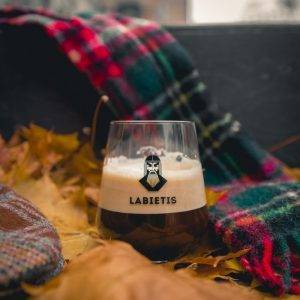
For a rainy day romance – a leisurely chat or a read – Brown Ale is the right choice. A medium-bodied beer with a brown or dark bronze colour. The palate is dominated by caramel, bread, biscuits, perhaps chocolate – with an emphasis on caramelised malts. The magic of this beer is a slow sip of sugary sweetness that leaves a lingering aftertaste and warmth, like a hug in a cosy British pub.
Porter
A style of beer that is familiar to anyone who has ever visited a beer department. “Sweet and feminine,” Juris mistakenly thinks before reaching for “traditional”. Porter is an iconic British beer. It’s named afterthe porters who found it a favourite drink to unwind after (or during) a long day’s work. According to 19th century food and travel blogger John Feltham, before porters, the drink of choice for 18th century London dock workers was called ‘Three Threads’.
Rumour has it that Three Threads was a beer cocktail served in pubs, mixing three draught beers available at the time. These were usually a bitter, a brown ale and an aged ‘two-penny’ (the strongest beer in the pub). But things changed when craft brewer Harwood tried to replicate the taste of Three Threads in one beer. The result was a thoroughly toasty, full-bodied beer with a strength that surpassed any ‘clue’. Brewers soon realised that the dense, carbohydrate-rich beer strengthened the body, while the 5-7% alcohol content took care of the spirit.
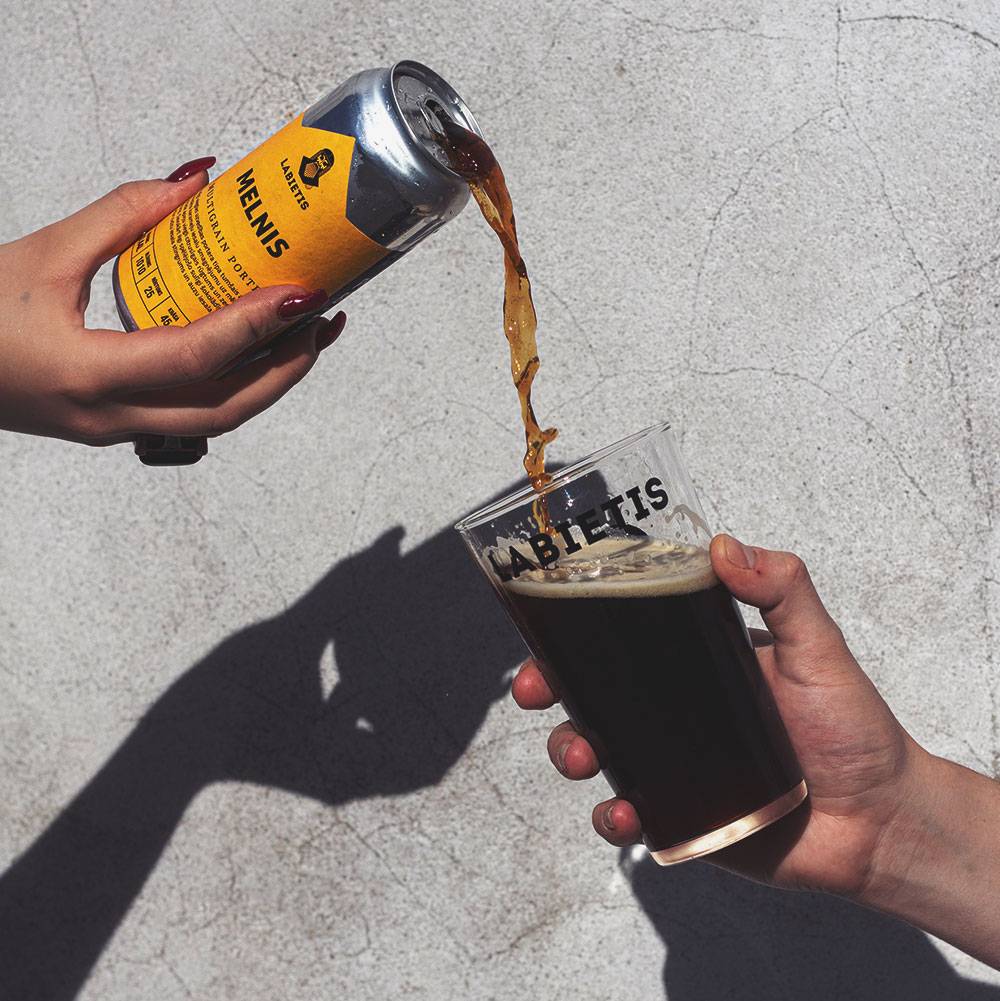
How much truth is there in Feltham’s story of the Three Clues? We don’t know. But porter is ingrained in every brewery’s range. Great examples are the multi-grain porter‘Melnis’ or‘LielaisKristaps’, a porter with coffee.
Stauts.
Staut is basically Porter’s big brother. Originally, porters were called “extra porter”, “double porter” or “stout porter”. One of the meanings of the word stout is ‘strong’ or ‘sturdy’, so essentially ‘stout porter’ means ‘strong porter’. Over time, the beer came to be known simply as ‘stout’.
Staut embodies all the characteristics of porter, differing only in strength – around 7-9% alcohol. The higher alcohol level allows the brewer to create a beer with a more pronounced flavour – the burnt and caramelised malts create a coffee or dark chocolate bitterness that can be slowly and leisurely enjoyed after hard work or a hearty dinner.
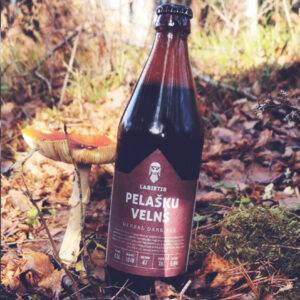
Stouts (in different variations) are available in a wide range – for example, the mint-infused “PelašķuVelns” or the excellent Malduguns “Akacis” – a classic stout brewed by master brewers. Also deep on the barley shelves is the Imperial Stout from Tanker, Father Midnight. Odu Beer has created a wonderful Imperial Milk Stout with vanilla and coffee.
To tell the truth, the variations of stouts and porters need at least one more article. In the next article, we will talk about porter and stout variations, Scotch ales and other British beers. The British Isles is also home not only to dark ales, but also to the distant traditions of logistics and hops that gave life to IPA-style beers.